Is Santa Claus Real?
Few holiday topics spark as much debate among parents as Santa Claus. For generations, children have eagerly awaited Christmas Eve, listening for reindeer on the roof and wondering how one man could deliver presents to children all around the world in a single night. Parents have written letters from Santa, left cookie crumbs on plates, and carefully placed gifts beneath the tree after little ones had gone to sleep. For many families, Santa is simply part of Christmas. Yet every holiday season, the same question arises: Should parents tell their children that Santa Claus is real? The answer depends largely on who you ask.
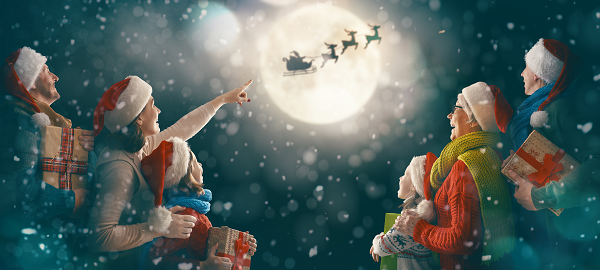
Some believe the Santa tradition creates magical childhood memories that children carry with them for the rest of their lives. Others argue that encouraging belief in Santa requires parents to be less than truthful with their children. Between those two positions lies a wide range of opinions, each shaped by personal experiences, family traditions, and individual beliefs. What makes the discussion so interesting is that both sides are usually motivated by the same goal: doing what they believe is best for their children.
The modern image of Santa Claus is rooted in centuries of folklore and tradition. The character traces his origins to Saint Nicholas, a fourth-century bishop known for generosity and gift-giving. Over time, stories about Saint Nicholas blended with European traditions, eventually evolving into the jolly figure recognized around the world today.
For generations, Santa has represented much more than a man in a red suit. He represents generosity. Kindness. Wonder. The spirit of giving. That symbolism is one reason so many families embrace the tradition. To them, Santa is not simply a fictional character. He is part of the larger Christmas experience, much like decorating a tree, hanging stockings, or singing Christmas carols.
Supporters of the tradition often point to the role imagination plays in childhood. Children spend years pretending to be superheroes, princesses, explorers, astronauts, and countless other characters. They create imaginary worlds, invent games, and develop stories that help them make sense of the world around them. For many parents, Santa is simply another part of that imaginative landscape.
The excitement of leaving cookies on Christmas Eve, searching the sky for Santa’s sleigh, or discovering presents beneath the tree creates memories that often last a lifetime. Ask adults about their childhood Christmas experiences, and many will immediately begin sharing stories about Santa.

Not because they still believe. Because they remember how it felt to believe. Critics of the tradition view the issue differently. They argue that children place tremendous trust in their parents. When parents actively encourage belief in Santa, some worry that children may feel deceived once they discover the truth.
Others question whether it is appropriate to use Santa as a behavioral tool. Nearly every child has heard some version of the warning that Santa is watching and keeping track of who has been naughty or nice. Critics argue that good behavior should be encouraged for its own sake rather than because of a promised reward.
Some families also choose not to emphasize Santa because they prefer to focus on the religious aspects of Christmas or because they want gift-giving to remain clearly connected to family members rather than a mythical figure. These concerns are understandable. Yet one interesting aspect of the Santa debate is that many children eventually solve the mystery on their own. As they grow older, questions begin to appear. How does Santa visit every house in one night? How do reindeer fly? Why does Santa look different at every mall?
Eventually, most children begin connecting the dots. For many families, this moment is not traumatic or upsetting. Instead, it becomes a milestone. Children begin recognizing that the magic of Christmas was never really about proving whether Santa existed. It was about participating in a tradition that brought joy to the people around them.

A Middle-Ground Approach
Rather than aggressively promoting belief or immediately revealing the truth, they allow children to explore the mystery for themselves. Questions are answered with questions. Curiosity is encouraged. Children are allowed to arrive at their own conclusions when they are ready. In many cases, the transition happens naturally. One year, they believe, and the next year, they suspect. Soon afterward, they understand, and Christmas continues much as it always has. Perhaps that is because the real power of the Santa tradition has never been about whether a man in a red suit literally travels the world on Christmas Eve. The power lies in what the story represents. The idea that giving is important. That kindness matters. That helping others can be rewarding. That Christmas is about more than receiving gifts.
As children grow older, many discover that becoming “Santa” for someone else can be just as meaningful as believing in Santa once was. Parents quietly buy presents, grandparents surprise grandchildren, neighbors help families in need Charities provide gifts to children they will never meet. In a sense, the spirit of Santa becomes larger than the character himself. That may be why the tradition has endured for so many generations.
There’s No “Right” Answer
Whether parents choose to embrace Santa wholeheartedly, approach the tradition cautiously, or skip it altogether, there is not a single correct answer. Every family is different. Every child is different. What works beautifully for one household may not feel right for another. The important thing is not whether families celebrate Santa exactly the same way. The important thing is creating meaningful holiday memories together. Years from now, most children won’t remember every gift they received but they will remember the excitement, the traditions, the laughter and the anticipation of Christmas morning.
And for many families, Santa Claus will always be part of that story.