Rituals to Modern Celebrations
Every October, neighborhoods across America begin a familiar transformation. Pumpkins appear on front porches. Skeletons take up residence in front yards. Store shelves fill with candy. Children eagerly debate costume ideas while horror movies once again dominate television screens. Halloween has become one of the most recognizable holidays in the United States, second only to Christmas in terms of seasonal spending and decorations. Yet beneath the candy, costumes, and haunted attractions lies a history that stretches back more than two thousand years. The Halloween we celebrate today is actually a fascinating blend of ancient beliefs, religious traditions, immigrant customs, and modern entertainment. Like many holidays, its story is far more complicated than most people realize.
Halloween History
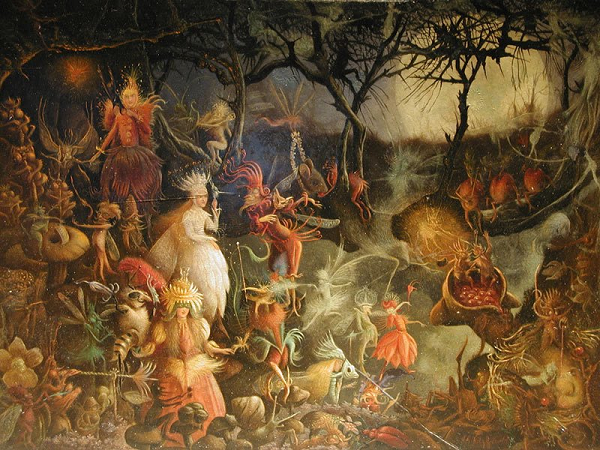
The origins of Halloween can be traced to the ancient Celtic festival of Samhain, a celebration observed more than 2,000 years ago in parts of present-day Ireland, Scotland, and northern France. For the Celts, November 1 marked the beginning of a new year. Summer had ended, harvests had been gathered, and the long, dark winter season was approaching. The night before the new year, October 31, was believed to be a time when the boundary between the living and the dead became less distinct.
According to tradition, spirits could more easily cross into the world of the living during this period. Some of these spirits were believed to be friendly ancestors, while others were thought to be mischievous or even dangerous. To protect themselves, communities lit enormous bonfires and wore disguises made from animal skins and hides. The costumes were intended to confuse wandering spirits or prevent them from recognizing the people beneath them. While modern Halloween costumes have evolved considerably, the basic idea of dressing as something else can be traced directly back to these ancient practices.
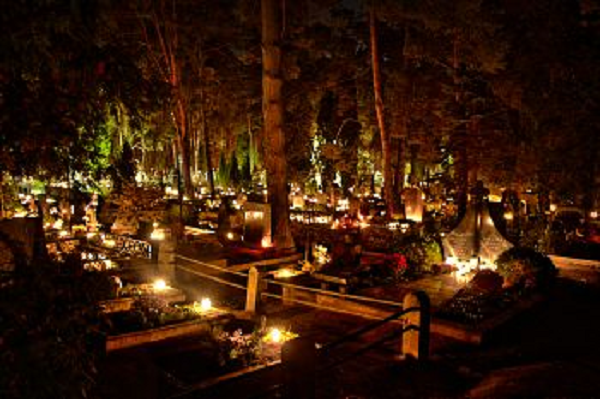
As Christianity spread throughout Europe, many older traditions were absorbed into new religious observances. During the eighth century, Pope Gregory III designated November 1 as All Saints’ Day, a day to honor saints and martyrs of the Christian faith. The evening before became known as All Hallows’ Eve. Over time, the name gradually evolved into a shorter form that remains familiar today: Halloween.
Although the holiday’s religious associations grew stronger, many older customs survived. Communities continued gathering on the evening before All Saints’ Day. Seasonal celebrations, costumes, and folklore remained popular throughout many regions. Perhaps no Halloween symbol is more recognizable than the jack-o’-lantern. Its origins lie in Irish folklore and a tale about a man known as Stingy Jack. According to legend, Jack repeatedly tricked the Devil and was ultimately denied entry into both Heaven and Hell. Condemned to wander the earth forever, he carried a burning coal inside a hollowed-out turnip to light his way. Irish families began carving frightening faces into turnips and placing candles inside them to ward off evil spirits. When large numbers of Irish immigrants arrived in North America during the nineteenth century, they discovered that pumpkins were far larger and easier to carve than turnips. Today, millions of pumpkins are carved each year, turning an old Irish folk tale into one of the holiday’s most beloved activities.
Tricks… or Treats?
Another tradition that evolved significantly over time is trick-or-treating. Its roots can be found in medieval customs known as “souling,” where poor individuals would visit homes and offer prayers for deceased relatives in exchange for food. Similar traditions later developed in Scotland and Ireland, where children and adults went door-to-door performing songs, poems, or small acts in exchange for treats. When these customs arrived in North America, they gradually merged with community celebrations. By the middle of the twentieth century, trick-or-treating had become one of Halloween’s defining activities. Instead of songs or prayers, children simply arrived in costume and received candy. What had once been a centuries-old custom evolved into a neighborhood tradition enjoyed by millions.
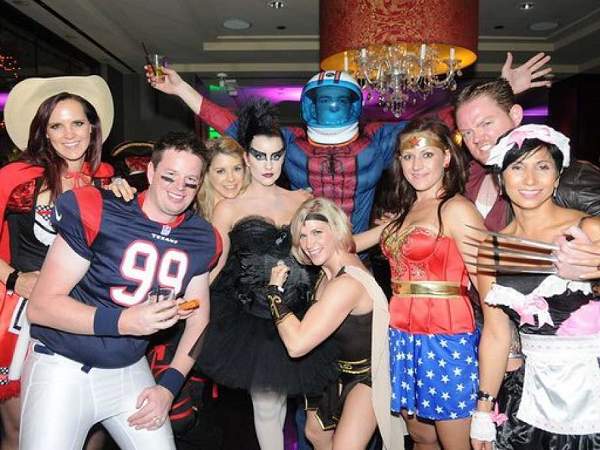
As Halloween grew in popularity, costumes became increasingly elaborate. Early costumes often focused on ghosts, witches, devils, and supernatural creatures. Over time, however, popular culture began influencing costume choices. Today, Halloween costumes can represent almost anything imaginable. Superheroes, movie characters, historical figures, athletes, and even household objects have become common sights on Halloween night. The holiday has proven remarkably adaptable while still maintaining its connection to disguise and transformation.
Attractions Meant to Scare
The twentieth century also introduced another major Halloween tradition: haunted attractions. While stories about ghosts and haunted locations have existed for centuries, organized haunted houses became especially popular during the 1960s and 1970s. Community organizations, schools, and charities discovered that people enjoyed paying for a controlled scare. What began as simple walk-through attractions eventually grew into a major industry. Modern haunted attractions now feature professional actors, movie-quality special effects, elaborate sets, and sophisticated storytelling. Some attract tens of thousands of visitors each season. The desire to be frightened, it seems, has become part of the Halloween experience.
Despite all of these changes, Halloween continues to revolve around many of the same themes that inspired the ancient Celts thousands of years ago: Mystery. Imagination. Storytelling. The unknown. Whether people are carving pumpkins, decorating their homes, visiting haunted houses, or taking children trick-or-treating, they are participating in traditions that have evolved over centuries. The details may have changed, but the spirit of the celebration remains remarkably familiar. Today, Halloween is celebrated in countless ways around the world. Some families focus on community gatherings and trick-or-treating. Others enjoy scary movies, haunted attractions, or elaborate yard displays. Many combine old traditions with new ones, creating memories that will eventually become family traditions of their own.
Perhaps that is the secret behind Halloween’s lasting popularity. Like Christmas and other beloved holidays, Halloween constantly evolves while still honoring its past. Every carved pumpkin, every costume, and every piece of candy is connected, however indirectly, to a story that began more than two thousand years ago. And each October 31, that story continues.