Mad Monster Party
When people hear the name Rankin/Bass, they usually think of Christmas. The studio became famous for producing some of the most beloved holiday specials ever created, including Rudolph the Red-Nosed Reindeer, Frosty the Snowman, and Santa Claus Is Comin’ to Town. For generations, their stop-motion productions have been a cherished part of the Christmas season and remain holiday traditions for countless families. What many people don’t realize is that Rankin/Bass also turned their attention to Halloween.
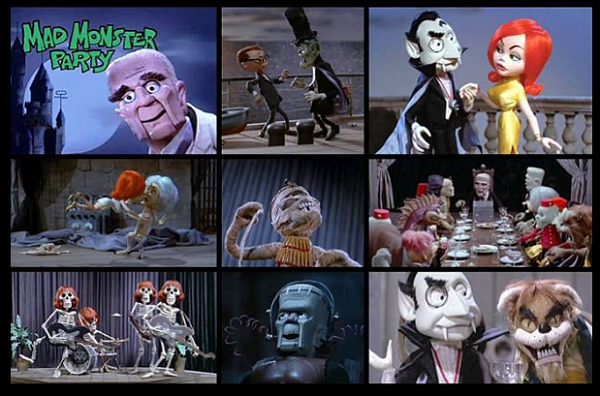
The result was Mad Monster Party, a stop-motion animated feature released in 1967 that brought together some of the most famous monsters in movie history for a story that was equal parts comedy, adventure, and classic monster movie tribute. Although it never achieved the same level of recognition as the studio’s Christmas productions, Mad Monster Party? has earned a devoted following and remains one of the most unique Halloween films ever created.
The Party Begins
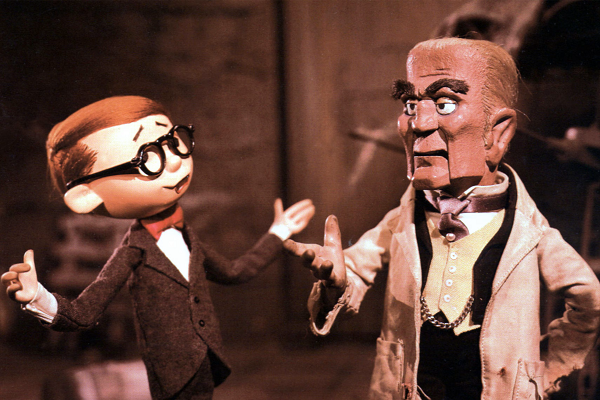
The story begins with Baron Boris von Frankenstein, voiced by legendary horror actor Boris Karloff. By the late 1960s, Karloff was already synonymous with classic horror thanks to his portrayal of Frankenstein’s Monster in the original Universal films. His involvement immediately gave the project a connection to Hollywood’s golden age of monster movies.
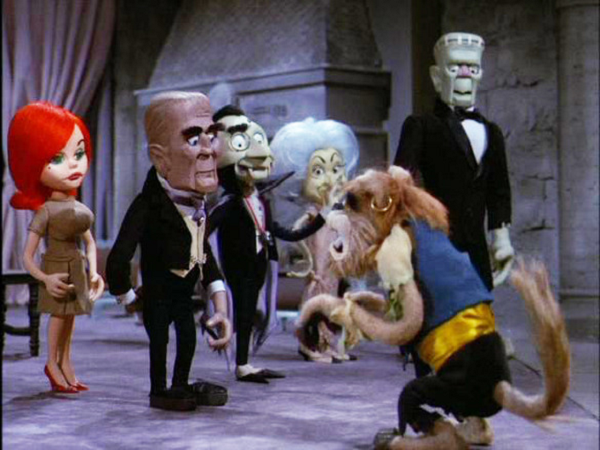
In the film, Baron Frankenstein gathers an extraordinary collection of guests at his island castle. Among those invited are Dracula, the Wolf Man, the Mummy, the Invisible Man, Dr. Jekyll and Mr. Hyde, the Creature from the Black Lagoon, and Frankenstein’s Monster himself. The occasion for the gathering is an announcement that could change the fate of monster-kind forever.
Rather than focusing on scares, the movie embraces humor and adventure. The monsters may be familiar, but they are presented with a playful personality that makes the film accessible to audiences of all ages. The result feels less like a traditional horror movie and more like a celebration of the classic monster era that dominated theaters during the 1930s, 1940s, and 1950s.
A Strong Visual Style
Rankin/Bass utilized the same “Animagic” stop-motion process that helped make their Christmas specials so memorable. The characters possess a charm and personality that traditional animation could not easily replicate. Every movement required painstaking work by animators, resulting in a film that still feels distinctive decades later.
For viewers familiar with Rudolph the Red-Nosed Reindeer, many of the techniques will feel instantly recognizable. Yet instead of reindeer, elves, and snowmen, audiences are treated to vampires, werewolves, and mad scientists. The contrast is part of what makes the movie so enjoyable.
The film also arrived during an interesting period in popular culture. The 1960s saw renewed interest in classic monsters thanks to television reruns, comic books, and monster magazines. Younger audiences who had not experienced the original Universal horror films in theaters were discovering Dracula, Frankenstein, and the Wolf Man for the first time. Mad Monster Party tapped directly into that enthusiasm while presenting the characters in a family-friendly format.
Like many Rankin/Bass productions, the movie also featured memorable music. Several songs are woven throughout the story, giving the film a whimsical quality that feels very much in line with the studio’s other work. While the soundtrack may not be as well-known as those from the Christmas specials, it contributes significantly to the film’s unique personality.
A Cult Following
Over the years, Mad Monster Party developed something of a cult following. Viewers who discovered it as children often introduced it to their own families, helping the film find new audiences long after its original release. Home video, DVD, and streaming services have made it easier for modern viewers to discover a movie that might otherwise have faded into obscurity.
Its influence can even be seen in later monster-themed animated productions. The idea of bringing together classic movie monsters in a comedic setting has appeared numerous times over the years, but Mad Monster Party was one of the earliest and most successful examples.
What makes the film particularly appealing today is its connection to a different era of Halloween entertainment. Modern Halloween movies often emphasize intense scares, special effects, or dark themes. Mad Monster Party comes from a time when Halloween entertainment could be spooky without being frightening and playful without being silly.
The film serves as a reminder that classic monsters were once viewed not only as creatures of terror but also as beloved characters with distinct personalities. Dracula, Frankenstein’s Monster, and the Wolf Man became cultural icons because audiences enjoyed spending time with them, and Mad Monster Party embraces that tradition.
A Tribute to the Classics
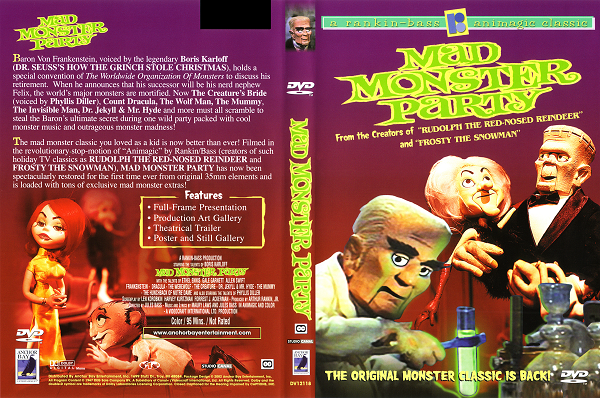
For fans of classic horror, the movie offers an affectionate tribute to the monsters that helped define an entire genre. For animation enthusiasts, it showcases the craftsmanship that made Rankin/Bass famous. And for Halloween lovers, it provides something increasingly rare: a family-friendly Halloween film that captures the spirit of the season without relying on excessive scares.
More than fifty years after its release, Mad Monster Party remains one of the most interesting entries in the Rankin/Bass library. It may never be as famous as Rudolph or Frosty, but it occupies a special place in holiday entertainment history. After all, if Rankin/Bass could help define Christmas for generations of viewers, it only seems fitting that they would leave their mark on Halloween as well.