The Art of Pumpkin Carving
Few Halloween traditions are as recognizable as a glowing jack-o’-lantern sitting on a front porch. Whether it features a simple smiling face or an intricate design that took hours to create, the carved pumpkin has become one of the defining symbols of the Halloween season. For many families, carving pumpkins is as much a part of October as costumes, candy, and trick-or-treating.
Yet the tradition is far older than many people realize. Long before pumpkins appeared on American front porches, people in Ireland and Scotland were carving frightening faces into turnips and other root vegetables. The practice was connected to an old Irish folktale about a man known as Stingy Jack. According to legend, Jack repeatedly tricked the Devil and, after his death, was condemned to wander the earth carrying a burning coal inside a hollowed-out turnip. People began carving lanterns with frightening faces to ward off wandering spirits, eventually referring to them as “Jack of the Lantern,” a name that was later shortened to jack-o’-lantern.
When Irish immigrants arrived in North America during the nineteenth century, they discovered that pumpkins were far more plentiful and considerably easier to carve than turnips. The pumpkin quickly became the preferred choice, and over time the tradition became firmly associated with Halloween in the United States.
Becoming a Beloved Family Activity
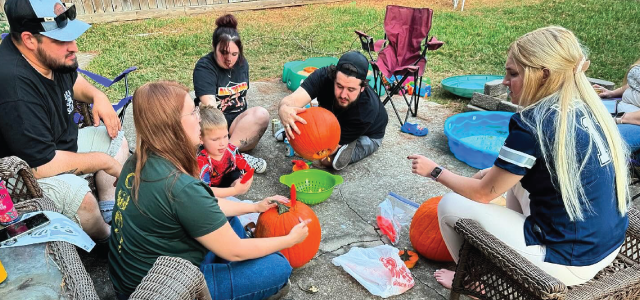
For generations, families have gathered around kitchen tables and garage workbenches each October, armed with carving tools, newspapers, and a healthy amount of optimism. The process usually begins with selecting the perfect pumpkin. Some people look for the largest pumpkin they can find, while others search for unusual shapes that might inspire a particular design. Regardless of the approach, there is always a sense of anticipation as the pumpkin is transformed from an ordinary piece of produce into a Halloween decoration.
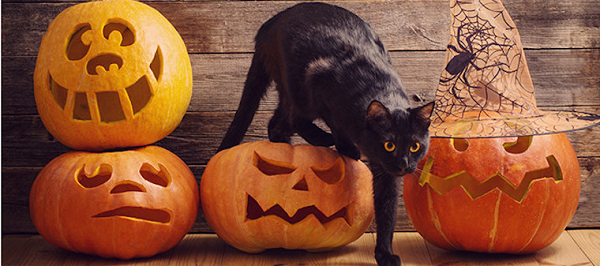
For many years, pumpkin carving remained fairly simple. Triangular eyes, a nose, and a jagged smile became the standard design for countless jack-o’-lanterns. The goal was not artistic perfection but participation in a tradition that brought families together and helped build excitement for Halloween.
Pumpkin Carving Begins To Evolve
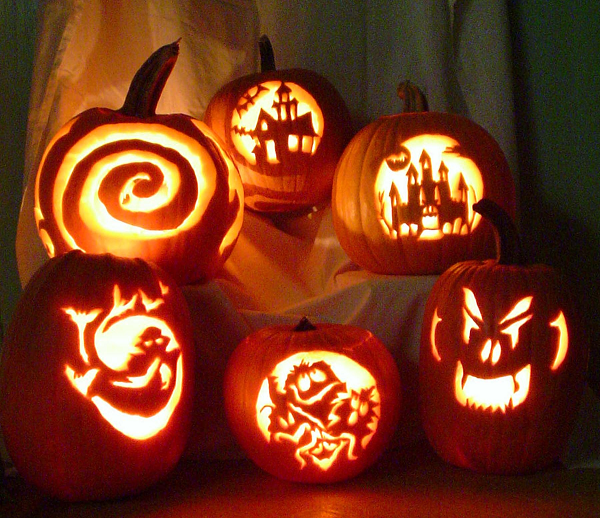
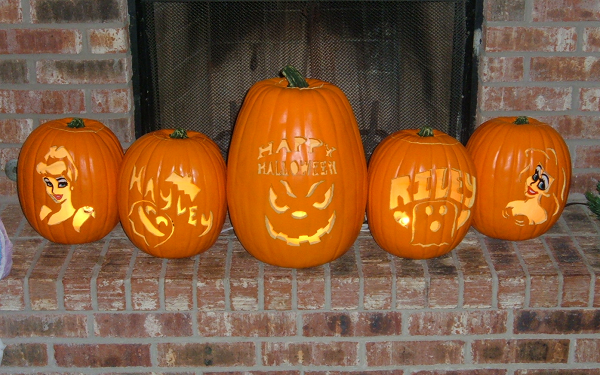
As specialized carving tools became more widely available and patterns became easier to share, people started pushing the boundaries of what could be created. Simple faces gave way to detailed scenes, portraits, movie characters, wildlife images, and elaborate works of art. Today, professional pumpkin artists create carvings so detailed that they often resemble sculptures more than seasonal decorations.
Many of these creations rely on techniques that go far beyond traditional carving. Artists carefully shave layers of pumpkin skin to create highlights and shadows, allowing them to produce remarkably detailed images. Some carvings incorporate multiple pumpkins, lighting effects, or entire scenes that transform an ordinary front yard into a Halloween attraction.
Yet despite all the advances in pumpkin carving, the heart of the tradition remains unchanged. It is still an activity that brings people together. Parents help children scoop out seeds and pulp. Families debate design ideas. Friends gather for carving parties. Neighborhoods hold contests to see who can create the most impressive jack-o’-lantern. The finished pumpkins become part of the seasonal landscape, glowing on porches and doorsteps as Halloween approaches.
There is also something uniquely satisfying about the temporary nature of pumpkin carving. Unlike many decorations that are packed away and reused year after year, each jack-o’-lantern exists for only a short time. The carving process begins with a fresh pumpkin and ends a few weeks later when the season comes to a close. The following year, the process begins again with a new pumpkin and a new design.
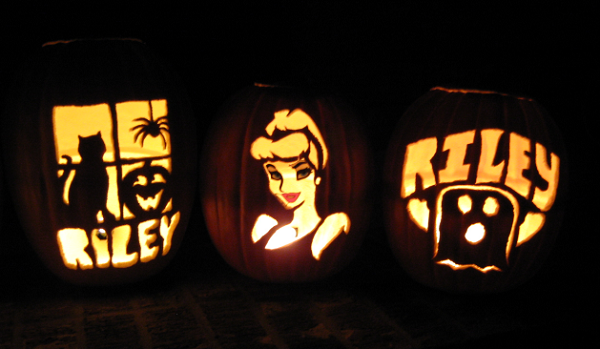
Part of the Tradition’s Appeal
Each pumpkin represents a moment in time. A child’s first attempt at carving. A family gathering on a cool autumn evening. A creative idea that seemed too fun not to try. Those memories often outlast the pumpkin itself. Today, pumpkin carving remains one of the most popular Halloween activities in North America. Millions of pumpkins are carved each year, ranging from simple jack-o’-lanterns created by young children to elaborate masterpieces that attract national attention. While techniques and designs continue to evolve, the tradition remains rooted in the same combination of creativity, community, and seasonal celebration that has sustained it for generations.
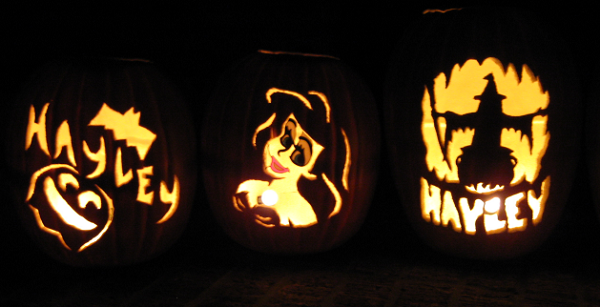
The next time you see a glowing jack-o’-lantern on a porch, it is worth remembering that you are looking at more than a Halloween decoration. You are seeing a tradition that traveled across an ocean, survived for centuries, and continues to bring people together every autumn. Not bad for a simple orange pumpkin.