Flag Day Unfurled

Every year on June 14, Americans celebrate Flag Day, commemorating the adoption of the United States flag by the Second Continental Congress on June 14, 1777. The resolution established a flag with thirteen alternating red and white stripes and thirteen white stars on a blue field, representing the original thirteen colonies united in a new nation.
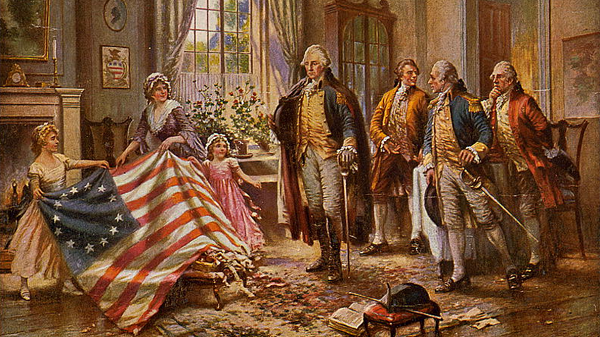
Although the flag was adopted in 1777, Flag Day did not become an official observance for many years. One of the earliest known celebrations took place in Hartford, Connecticut, in 1861. Later, Wisconsin schoolteacher Bernard J. Cigrand helped popularize the idea of a national Flag Day celebration after organizing an observance at his school in 1885. His efforts earned him recognition as the “Father of Flag Day.”
Flag Day shares a connection with the United States Army. On June 14, 1775, the Continental Congress authorized the formation of the Continental Army, making June 14 the Army’s birthday as well. Pennsylvania, where Ryan grew up, became the first state to designate Flag Day as a state holiday in 1937.In 1916, President Woodrow Wilson issued a proclamation officially recognizing June 14 as Flag Day. Congress later established National Flag Day in 1949. While it is not a federal holiday, presidents continue to issue annual proclamations encouraging Americans to observe the day.
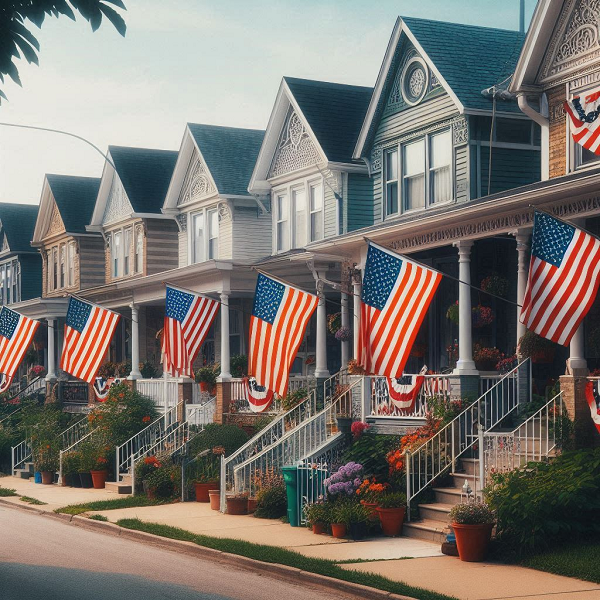
Celebrating Flag Day
Across the country, Americans observe Flag Day in a variety of ways. Flags are proudly displayed at homes, businesses, schools, and government buildings. Communities often host parades, ceremonies, and patriotic programs featuring marching bands, color guards, veterans, and local leaders. Many organizations also hold flag retirement ceremonies to respectfully dispose of worn or damaged flags. Groups such as the American Legion and Veterans of Foreign Wars have long helped teach proper flag etiquette and the importance of honoring the nation’s most recognizable symbol.

Flag Day is also an opportunity to learn about the history of the Stars and Stripes and what it represents. Schools, museums, and community organizations often provide educational programs that explore the flag’s evolution and its place in American history. Whether attending a local ceremony, displaying a flag at home, or simply taking a moment to reflect on its meaning, Flag Day serves as a reminder of the ideals, sacrifices, and shared history that have shaped the United States for nearly 250 years.
