Behind A Holiday Classic
Today it is almost impossible to imagine the holiday season without Frank Capra’s 1946 classic, It’s a Wonderful Life. Every December, families revisit the story of George Bailey and his guardian angel Clarence, while new generations discover the timeless message that has made the film a fixture of Christmas television for decades. Yet when the movie first premiered, few people viewed it as a future classic. Despite its talented cast, acclaimed director, and ambitious production, the film struggled to find an audience and spent years lingering in relative obscurity before eventually becoming one of the most celebrated movies ever made. Its journey from box-office disappointment to holiday institution is almost as remarkable as the story unfolding on screen.

The film began with a short story called The Greatest Gift, written by Philip Van Doren Stern. After struggling to find a publisher, Stern printed the story as a Christmas card and mailed copies to friends and family in 1943. One of those copies eventually found its way to Hollywood, where producer David Hempstead recognized its potential. The story was purchased and eventually landed in the hands of director Frank Capra, who immediately saw the possibilities it offered.
Capra had returned from military service during World War II and was looking for a project that reflected the values he believed were important. Throughout his career, he had created films centered on ordinary people facing extraordinary challenges, and George Bailey fit perfectly within that tradition. Rather than focusing on heroes with wealth, power, or influence, Capra wanted to tell the story of an everyday man whose true worth could not be measured by money or status.
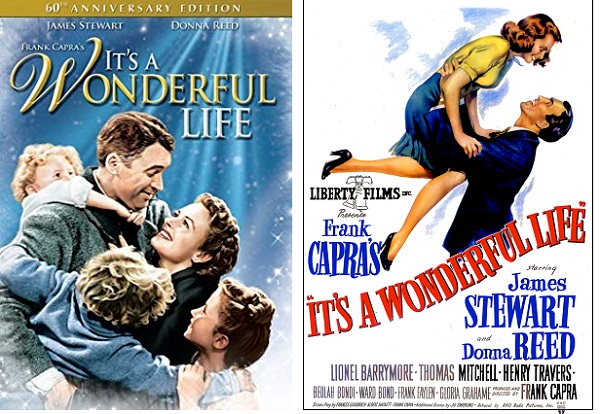
To bring that vision to life, Capra cast James Stewart as George Bailey and Donna Reed as Mary Hatch Bailey. Stewart’s casting would prove especially important because the actor brought something deeply personal to the role. Like many veterans returning from World War II, Stewart struggled with uncertainty about the future. He had served as a bomber pilot and risen to the rank of colonel during the war. The experiences he endured overseas changed him profoundly, and there were moments when he questioned whether he even wanted to continue acting. Many film historians believe Stewart’s emotional performance benefited from those experiences, particularly during George Bailey’s moments of frustration, despair, and self-doubt. Watching the film today, it is difficult to imagine anyone else playing the role.
One reason It’s a Wonderful Life continues to resonate is because George Bailey feels like a real person. He dreams of traveling the world, building great things, and escaping his small hometown. Instead, life repeatedly places responsibilities in his path. Family obligations, financial pressures, and unexpected circumstances force him to postpone his plans year after year.
As time passes, George begins to feel trapped by the very commitments that have helped others thrive, a feeling many people understand. Most adults can point to moments when life failed to unfold exactly as they imagined. Dreams are delayed. Opportunities are missed. Responsibilities take precedence over personal ambitions. George Bailey’s struggles feel authentic because they mirror experiences shared by countless people.
Authenticity Created Emotional Power
The famous scene on the bridge, where Clarence shows George what the world would have looked like had he never been born, remains one of the most memorable moments in movie history. Yet the scene works not because it is fantastical, but because it forces George to recognize something many people overlook. The value of a life is not determined solely by accomplishments or personal success. It is found in relationships, kindness, sacrifice, and the impact we have on those around us. That message forms the heart of the film.
Ironically, audiences did not fully embrace the movie when it was first released. Although It’s a Wonderful Life received five Academy Award nominations, including Best Picture, the film struggled financially. Production costs were high, and ticket sales failed to meet expectations. While reviews were generally positive, the movie faced stiff competition from other releases and never generated the enthusiasm its creators had hoped for. By Hollywood standards, it was considered a disappointment.
Forgotten… Almost
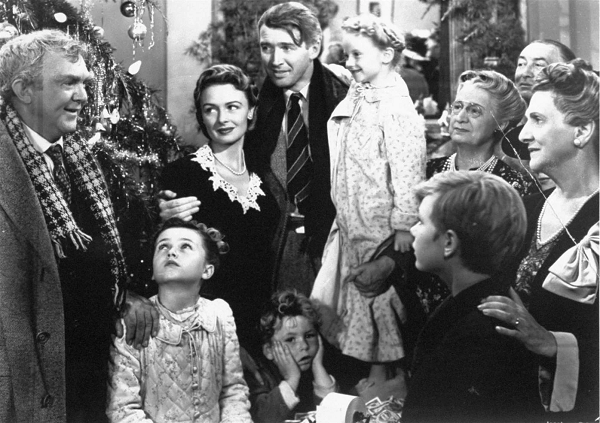
Over the following decades, the film remained respected but largely forgotten. It appeared occasionally on television and developed a modest following, but nobody would have predicted that it would eventually become one of the most beloved Christmas films ever made. The turning point came in the 1970s due to an unusual legal oversight. When the film’s copyright renewal was not properly filed, television stations suddenly found themselves able to broadcast the movie without paying significant licensing fees. Networks searching for affordable holiday programming began airing it repeatedly throughout the Christmas season.
The results were unexpected. Families who had never seen the movie discovered it for the first time. Parents introduced it to their children. Those children grew up and shared it with families of their own. Each December, more viewers found themselves drawn to George Bailey’s story. The movie slowly became part of the Christmas season.
More Than Nostalgia
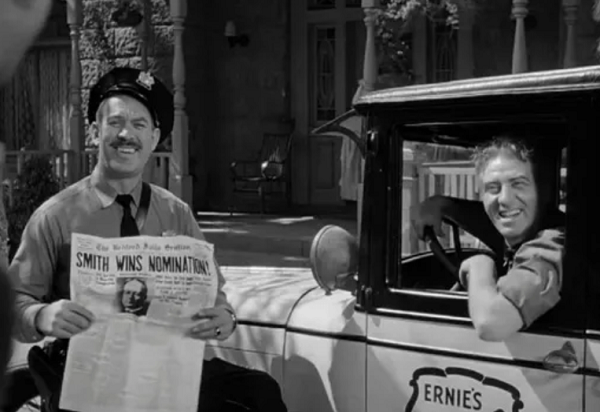
Unlike many holiday films that rely on nostalgia alone, It’s a Wonderful Life offered something deeper. Its themes of community, friendship, generosity, and hope connected with audiences regardless of age or background. People saw themselves in George Bailey. They recognized their own struggles, disappointments, and sacrifices reflected in his story.
As its audience grew, so did appreciation for the craftsmanship behind the production. The fictional town of Bedford Falls remains one of the most memorable settings ever created for a motion picture. To construct it, filmmakers built an enormous set spanning several acres on the RKO Ranch in California. Complete with homes, businesses, sidewalks, and tree-lined streets, it became one of the largest movie sets ever created at the time.
The film also introduced a technological innovation that many viewers never notice. Earlier movies often relied on painted cornflakes to simulate snowfall, but the material created unwanted noise during filming. For It’s a Wonderful Life, special effects technicians developed a new artificial snow mixture that looked more realistic and could be used without interfering with dialogue. The innovation was so successful that it earned recognition from the film industry.
Yet for all the impressive production details, audiences do not return year after year because of the sets or special effects. They return because of the story. Christmas films often focus on presents, decorations, or holiday celebrations. It’s a Wonderful Life certainly contains those elements, but its true focus is people. It reminds viewers that relationships matter. Communities matter. Acts of kindness matter. Most importantly, it reminds us that our lives matter, even when we cannot always see the difference we are making. Perhaps that is why the film continues to endure while so many others have faded from memory.
An Annual Visit to Bedford Falls
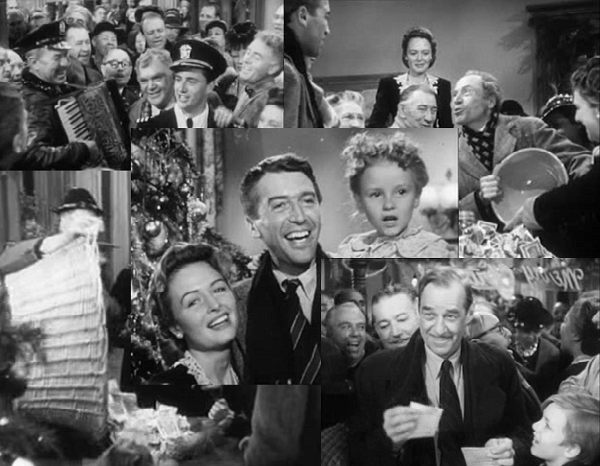
Every Christmas season, viewers once again travel to Bedford Falls. They watch George Bailey struggle, stumble, and ultimately discover the value of his own life. Along the way, they are reminded of something that is easy to forget during the rush of everyday life. Success is not always measured by wealth, status, or achievement. Sometimes it is measured by the people whose lives are better because we were here.
More than seventy-five years after its release, It’s a Wonderful Life remains one of the most powerful Christmas stories ever brought to the screen. Not because it tells us that life is perfect, but because it reminds us that even imperfect lives can have extraordinary meaning. That message was true in 1946 and it remains true today. And it is likely to remain true for generations to come.