



Christmas TV Without the “Fight”
When the announcement about “The Great Christmas Light Fight” started circulating through the Christmas Facebook groups, it felt like a small tremor in the holiday world. People shared the TMZ link, speculated about what it meant, and wondered whether the show was gone for good or simply taking a break.
I made one comment—just one—and meant it to be gentle. In that post, I said I would love to see networks return to the kind of Christmas TV shows that celebrate the hobby without the competitive angle. Over the years, I had noticed comments about prize money and how some displays were portrayed, and those elements never added much to my holiday spirit. Because of that, I stopped watching after the first season.
That Single Post Opened The Floodgates…
Within hours, messages started coming in. Some people asked why I hated the show. Others wondered why I would celebrate its cancellation or speak negatively about something so many people enjoyed.
The truth is simple: I don’t hate the show. I never have. At the same time, I understand why people are upset. Many viewers loved it, learned from it, and made it part of their holiday traditions. For decorators who were planning to apply or already preparing, the disappointment is real. When you invest that much into something, any change feels personal.
That is exactly why I wrote this article. I am not trying to tear anything down or criticize those who enjoyed or participated in it. Instead, I want to clarify my perspective and explain it in a way that is clear and respectful.
To understand why I am glad the show is stepping aside, at least for now, it helps to look back at what it became. “The Great Christmas Light Fight” premiered in 2013 and ran for thirteen seasons. During that time, it produced eighty-two episodes. Each episode featured four families competing for a fifty-thousand-dollar prize. If you do the math, the show awarded more than four million dollars in prize money over its run. While the exact number of displays is not officially published, four families per episode brings the total to an estimated three hundred twenty-eight displays. That is a remarkable amount of creativity, effort, and electricity showcased on national television.
The Show’s Premise Was Simple…
Families decorated their homes with elaborate Christmas displays, and judges evaluated them based on design, use of lights, and holiday spirit. On paper, it sounds like a celebration of the hobby. In practice, however, it slowly drifted into something else.
The title itself hinted at that shift. Christmas TV and fighting do not belong in the same sentence. Even so, the show leaned into the idea that decorating was a competition—a battle to be won rather than a joy to be shared.
Christmas lights have always been about warmth, generosity, and community. They transform a dark winter night into something magical. They create memories for children and neighbors. They also provide the quiet satisfaction of stepping back, seeing the glow, and knowing you brought a little more light into the world. Turning that into a competition never sat comfortably with me. Instead, it felt like the heart of the hobby was being reshaped into something it was never meant to be.
The Focus On Money Did Not Help…
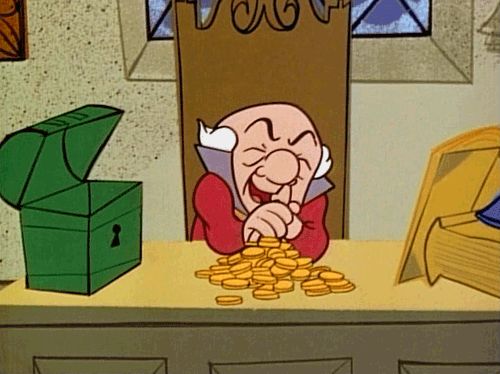
The fifty-thousand-dollar prize quickly became the gravitational center of each episode. As a result, the narrative often revolved around how much contestants spent, how many lights they used, or how their display compared to others. In turn, the show unintentionally created an arms race: bigger displays, brighter displays, and more expensive displays.
Because of that shift, the magic of Christmas lights—the wonder and nostalgia that make them special—was often overshadowed by spectacle.
Another issue that stood out was the editing. Reality television is known for shaping narratives to heighten drama, and “The Great Christmas Light Fight” was no exception. Too often, the show framed hobbyists as arrogant, overly competitive, or dismissive of others.
That portrayal never matched my experience. I know these people. I have met them. I have stood in their yards and talked with them about controllers, sequencing, and the best way to waterproof a pixel. They are not arrogant. They are passionate. They are generous. They are the kind of people who spend thousands of hours creating displays that they give away to the public for free. Seeing them edited into characters that did not reflect who they are felt unfair.
Christmas TV That Isn’t A Fight…
Because of this, I often found myself missing the older Christmas TV specials. Before competitive holiday programming became the norm, decorating shows had a very different tone. They were fun, inspiring, and informative. More importantly, they made you want to grab a ladder and start decorating.
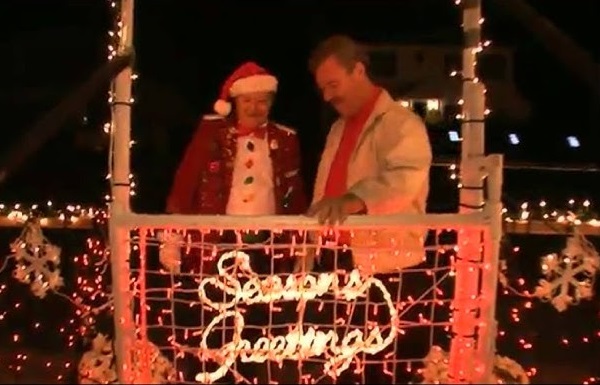
“Crazy Christmas Lights” was always my favorite because it captured the heart of the hobby in a way that felt genuine. It focused on families who decorated simply because they loved doing it, and it treated their creativity with joy rather than competition. Watching those episodes reminded me that Christmas TV displays are meant to inspire, teach, and bring people together. They were never about winning. Instead, they celebrated the many ways people express love, tradition, and community through light.
“Invasion of the Christmas Lights” carried that same spirit. It followed decorators across the country and highlighted their passion without turning them into opponents. Likewise, “What’s With That Christmas House” leaned into the charm and personality of each display rather than trying to rank them. These shows celebrated the hobby for what it was. As a result, viewers felt included rather than judged, and the hobby felt accessible instead of competitive.
With “The Great Christmas Light Fight” stepping aside this year, there is an opportunity to rediscover what made holiday decorating specials magical in the first place. Christmas does not need a scoreboard. It needs stories. It needs creativity. It needs programming that reminds us why we decorate in the first place.
What Does This Mean For Us…
This shift also comes at a meaningful time for me personally. Over the past three years, we have researched and written articles about all kinds of holiday topics—crafts, recipes, indoor decorations, outdoor lighting, and everything in between. We poured a lot of time into those pieces. However, engagement on social media made it clear that they were not what people were looking for.
The articles are not going away. They will always be available for anyone who wants them. Moving forward, though, they will not be the focus for 2026.
Instead, we are writing the articles we actually want to write. We will focus on displays, planning, building, sequencing, and creating. In the coming months, we will share guides, tips, and insights to help you build your own display—whether you are just starting out or looking to take your setup to the next level.

As we look ahead to the 2026 season, I feel a sense of optimism. Not just for my own display, but for displays everywhere. The absence of “The Great Christmas Light Fight” might open the door for a new kind of holiday programming—one that celebrates creativity without turning it into a contest. One that highlights the joy of decorating rather than the pressure to win. Most importantly, one that remembers that Christmas is not a fight. It is a celebration.
The season will be a little quieter without it. In that quiet, the true spirit of Christmas might shine a little brighter.
Stay safe, learn often, use imagination, and keep lighting up the world!