



Silent Night, Holy Night
“Silent Night” is perhaps the most universally recognized Christmas song and a classic for its beauty and sentiment. With its simple lyrics and calming melody, it has been a staple of Christmas caroling for over two hundred years. The song “Silent Night” is beloved around the world, but how did it come to be? This article will explore the history of this timeless classic and its journey from a small town in Austria to becoming one of the most popular Christmas carols of all time.
The story of “Silent Night” begins in the small town of Oberndorf, Austria in 1818. It was Christmas Eve and Father Joseph Mohr, a young priest who was serving the church, realized that the organ was broken and could not be used for the Christmas service. Not wanting to hold the service without music, Mohr remembered a poem he had written two years earlier and asked the church’s schoolmaster and organist, Franz Xaver Gruber, to set it to music. Gruber wrote a simple melody that could be played on guitar. The two men performed the new carol, “Stille Nacht, Heilige Nacht” (“Silent Night, Holy Night”) for the first time that night, and it became an instant hit.
Spread of the Song
From there, the song spread throughout Austria and Germany, sung by folk singing groups and adapted to different styles. By the mid-1800s, the song was being printed in hymnals and became a popular choice for churches across Europe.
German-speaking immigrants brought the song to the United States in the 1830s, where it became increasingly popular. The first English translation of the song, titled “Silent Night”, was published in 1863, and the song quickly became a favorite in American churches and homes during the Christmas season.
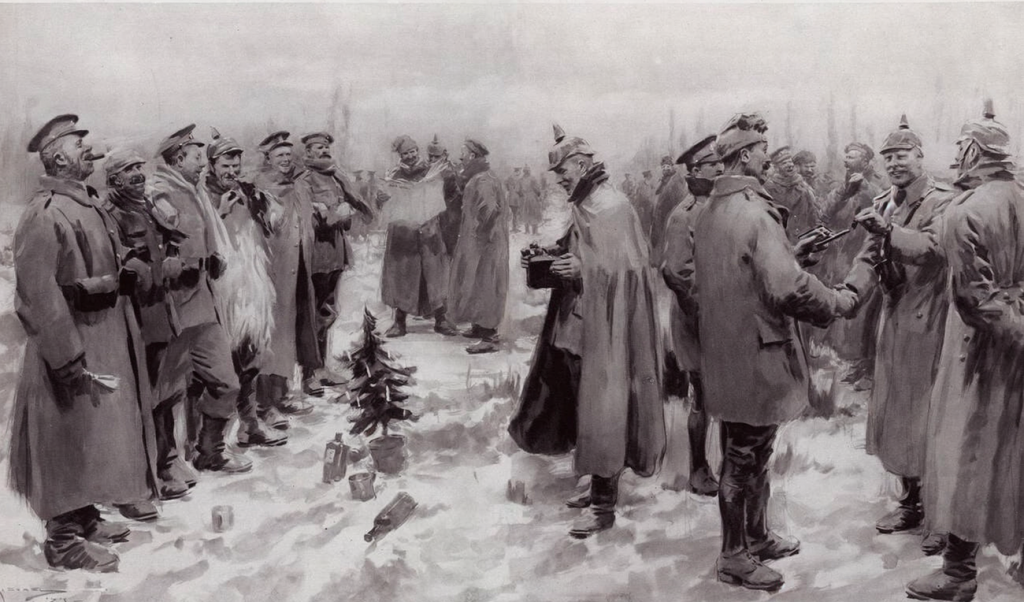
One of the most famous stories of “Silent Night” is from World War I, when soldiers on both sides of the Western Front reportedly stopped fighting on Christmas Eve to sing the carol. In what became known as the “Christmas Truce”, soldiers ventured into No Man’s Land and exchanged greetings and gifts, and even sang together in their respective languages, including “Silent Night.”
Worldwide Recognition

Today, the song has been translated into over 300 languages and dialects and continues to be a popular choice for Christmas caroling. In 2011, UNESCO declared “Silent Night” an intangible cultural heritage.
There are many reasons why “Silent Night” remains one of the most popular Christmas songs of all time. Its simple and catchy melody makes it easy for people of all ages and skill levels to sing, and its peaceful lyrics evoke the spirit of the Christmas season.
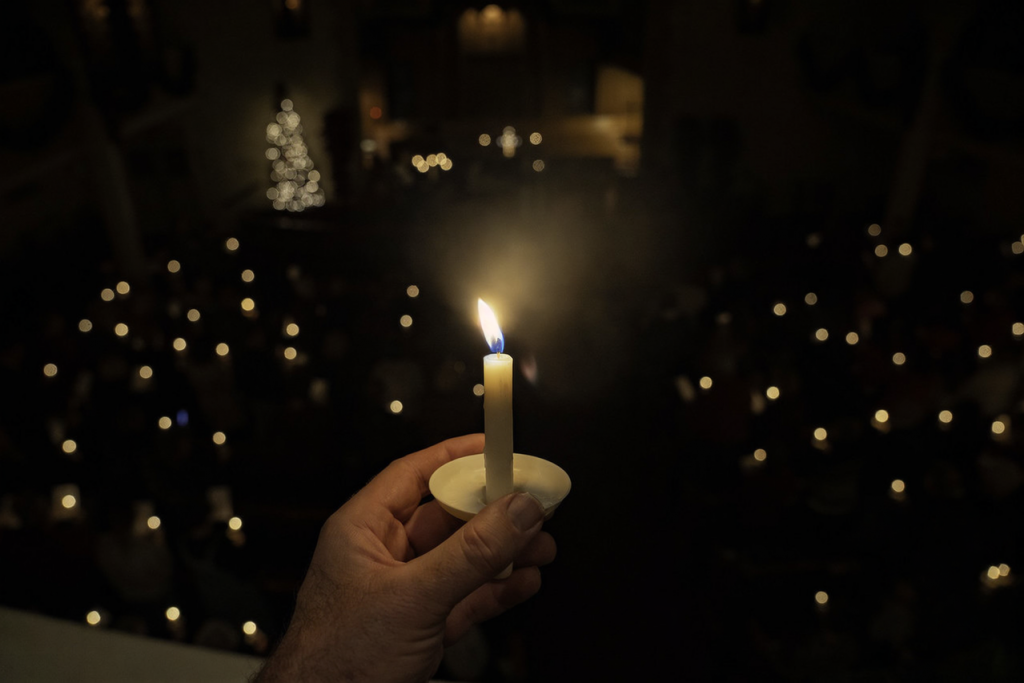
From its humble beginnings in a small Austrian town to its place as a global Christmas classic, the history of the song “Silent Night” is one that continues to resonate with people around the world. Whether it is sung in a candlelit church service or played on a snowy evening at home, the song’s timeless message of peace and hope continues to bring joy to millions every year.