



Amish Christmas Traditions
Celebrating in Simple, Heartfelt Ways
Holiday celebrations in Pennsylvania’s Amish and Mennonite communities feel serene, simple, and rich with tradition.
If you, like many of us, equate Christmas with shopping lists, flashing lights, and jam-packed schedules, these groups have an alternative perspective: one that holds faith, family, and connection front and center.
Brief History of the Amish in Pennsylvania
The Amish story began in the late 1600s, when Swiss Anabaptists, a group of Mennonites, separated from other Anabaptists over issues of church discipline and simplicity. Persecuted for their faith in Europe, Amish and Mennonites in many parts of Germany, Switzerland, and the Alsace region of France looked for a safe place to worship freely. Some found refuge in William Penn’s new colony of Pennsylvania, which was accepting of diversity in faith.
By the early 1700s, Amish and Mennonite farmers were establishing communities in Lancaster County and other parts of Pennsylvania, as well as the neighboring colonies. Their lifestyle, marked by modesty, hard work, and devotion to faith, has remained largely unchanged through the years. Mennonites can be more open to certain modern conveniences, but both groups share similar values of humility, service, and community.
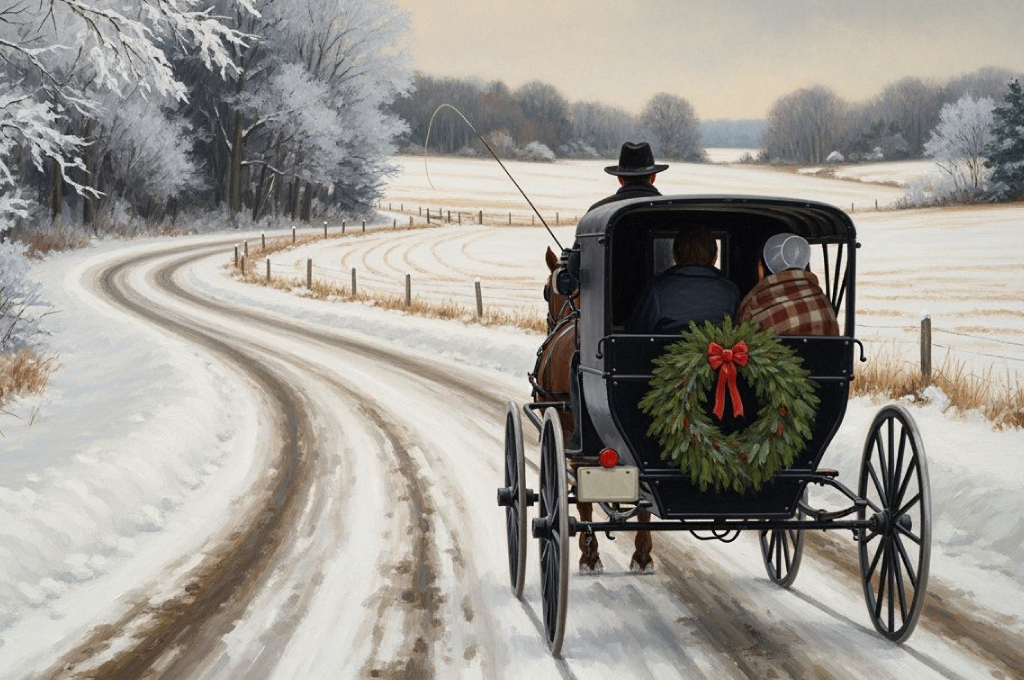
Christmas is a time of celebration, but more than anything else, it is about honoring the birth of Jesus Christ. For the Amish and many Mennonites, the season includes church services, reading of the Bible, and singing hymns — often in German or Pennsylvania Dutch. Decorations are more subdued than you might find in mainstream America, though an evergreen sprig in a jar, handmade paper stars, and candles in windows are all common. It’s simplicity, not bling, that makes it beautiful.
Gift-giving With Heart, Not Haste
Gifts are exchanged, but they are well-considered, practical ones. A hand-stitched quilt, a wooden toy, or a basket of freshly baked bread and homemade treats hold more meaning here than the latest smartphone or gadget.
Many Amish also observe “Old Christmas” on January 6. Families celebrate the day after the holiday, as many follow the Julian calendar, which means they honor the arrival of the Wise Men on January 6, not December 25. Gift-giving and visiting family are popular activities on Old Christmas.
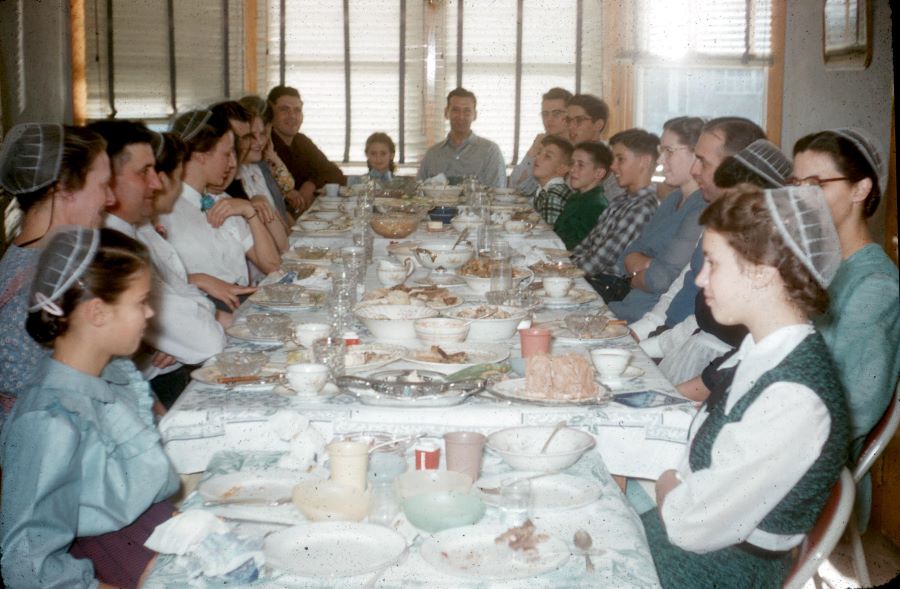
Old Christmas Day is treated like a holy day. Like on Christmas Day, work is set aside to prepare a special meal and spend time with family. Homes are cleaned, and visiting with other families in the community is important. It’s not glamorous, but it’s cozy, full of conversation, and rich in meaning. Roast chicken, jams and preserves, shoofly pie, and homemade bread are common on the table.
Food, Music, Fellowship, and Service
Whether on Christmas Day or Old Christmas, the table is where the heart is. Food is homemade, comforting, and enjoyed with thanks. While instruments are forbidden, the Amish and many Mennonites love to sing hymns and carols during the holidays. The quiet songs add to the peaceful atmosphere, which feels like a step back in time.
Hospitality and helping others is part of the holiday season, much like family and gift-giving. An Amish family might bring food to someone recovering from an illness, help an elderly neighbor with chores, or participate in church-organized charity work. Caring for others is how they practice the message of Christmas.
A Time of Peace
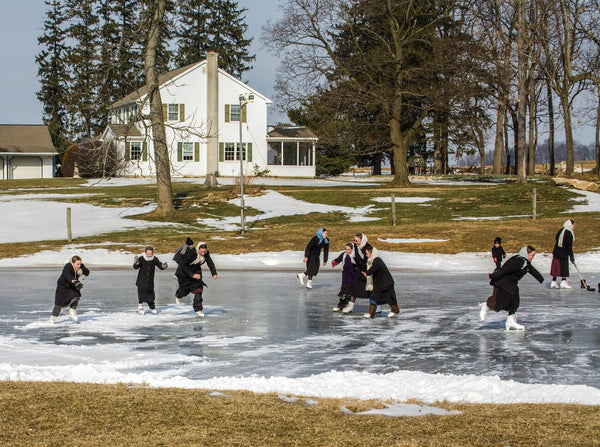
Amish and Mennonite holiday seasons are free of flashing TV commercials and endless online sales. Without those in the background, it’s a slower, more relaxed season. Snow drifts on rooftops and in barnyards, oil lamps glow in the evening, and the sound of a horse-drawn buggy on a wintry night is like a Christmas card come to life.
For Amish and Mennonites in Pennsylvania, the holidays aren’t about what you can buy or how many places you can go. It’s about faith, gratitude, and being with the people you love. There’s a lesson there, we think, for all of us: sometimes the most memorable celebrations are the simplest ones.