



The Enchantment of Christmas Villages
A Timeless Tradition of Holiday Magic
Christmas villages possess an undeniable magical quality that captivates people. Christmas villages bring about feelings of nostalgia and warmth whether they appear as miniature scenes on mantles or as actual holiday destinations covered in snow and lights. Both miniature towns and their full-size equivalents represent the essence of the holiday season. They enchant both kids and grown-ups. So, what is the origin of this beloved tradition? How did it develop into the festive phenomenon that exists today?
The Evolution of Villages
Department 56 has become a beloved name in holiday décor, best known for its intricately detailed lighted village collections. These collections capture the warmth and nostalgia of the Christmas season. The Bachman Company, a Minneapolis-based florist, founded Department 56 in 1976 as a giftware division. It was named using a numbering system from its warehouse.
The brand found its true identity with the introduction of its Original Snow Village in 1976. Featuring ceramic buildings with hand-painted details and glowing interiors, the line quickly gained a passionate following. These miniatures weren’t just decorations; they told stories. They evoked memories of holiday traditions and small-town charm. Over the years, Department 56 expanded with themed series like Dickens’ Village, inspired by Victorian England. It also added Christmas in the City, reflecting urban holiday life.
In addition to villages, Department 56 produces a variety of holiday figurines, ornaments, and home décor. This includes collaborations with popular franchises like Disney, Harry Potter, The Grinch, and Peanuts. These pieces merge classic charm with pop culture, appealing to collectors of all ages.
Creating Your Village Vison
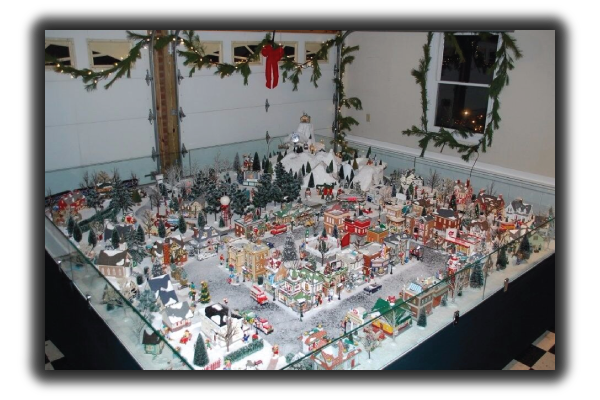
Creating a Christmas village serves as a popular tradition by enabling one to build an enchanting miniature world which combines nostalgia with holiday spirit. The process begins with planning. Planning your layout through visualization improves the initial placement of buildings and accessories. Sketches or mental pictures of the intended theme help many people plan their creations which could be a snow-covered mountain town, a lively Victorian street or the North Pole. Selecting a stable surface with adequate space is critical for your project especially when handling fragile ceramic or porcelain materials.
Thinking in layers becomes essential to fully bring your village to life. The addition of risers, books, or foam platforms creates distinct levels within the display that give depth and dimension. The biggest buildings generally find their place at the back of the scene while smaller objects like trees and lamp posts take their positions toward the front. The arrangement not only ensures visibility of all elements but also guides the viewer’s gaze across the scene while establishing scale and realism.
When structures are set up they need to be thoughtfully arranged to create a story. The layout of residential homes clustered together alongside shops that line the main street with a church occupying the village center creates a cohesive look. Open areas for activities such as skating rinks, snowy paths, or festival town squares create a sense of vitality and occupation in the village.
Though wiring presents challenges it becomes manageable after learning some practical tips. The display can hide electrical cords behind it or direct them through small risers holes. A number of collectors choose battery-powered structures or LED lights in order to eliminate the need for electrical cords. The organization of your wires helps preserve both the visual appeal and cleanliness of your display area.
Adding scenery enhances the magic. A combination of snow blankets, cotton batting, and glitter creates the illusion of winter while accessories including trees, fences and townspeople provide character and personality to the scene. Fake snow on mirrors makes them look like frozen ponds while creating a sparkling frosty effect. Animated figures and musical components offer additional energy if you appreciate extra movement and sound but it’s best to use them moderately to avoid disturbing the serene environment.
It’s recommended to use a soft brush or cloth to remove dust from your pieces before beginning your setup. Buildings at their cleanest state reflect light beautifully and achieve their best appearance. Proper storage of your village should be a top priority after the season concludes. The original packaging provides the best protection but storage bins with padding and bubble wrap also offer good protection.
The primary significance of building a Christmas village exists in the narrative you convey through it. Position the structures and characters to create scenarios. See a family hanging decorations on their tree and children at play in the snow. Couples enjoy peaceful moments under a lantern. Your Christmas village transforms into a magical representation of holiday spirit through thoughtful creativity and careful attention.
A Portal to Simpler Times

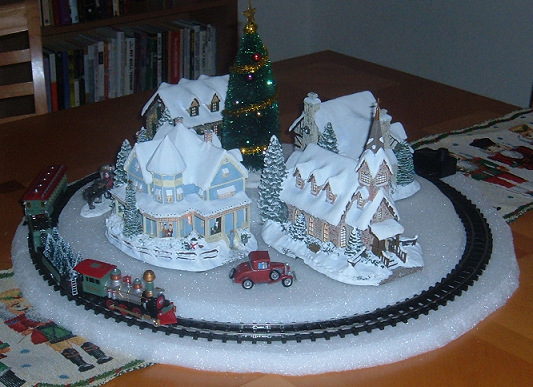
The charm of Christmas villages arises from their capacity to stir memories of community bonds. They evoke beautiful moments from the past. In a world often moving too fast, these quaint towns remind us of slower times. Here, joy could be found in simple pleasures: The sound of distant sleigh bells merges with the sight of a lit lantern beside a roof covered in snow.
Tiny windows and snowy rooftops reveal the warmth of tradition along with the timeless enchantment of Christmas. Each village tells a story. Handcrafted ceramic structures passed down through generations alongside snowy walks through ornamented historic towns create captivating scenes which encourage us to stop and appreciate the festive spirit of the season.